December 3, 2025
The auto repair industry has always been shaped by innovation, but 2025 marks a significant turning point. Advanced technology is revolutionizing how auto body repair shops operate, enhancing efficiency, precision, and customer experience. Modern tools and systems are transforming the way vehicles are restored after accidents. This blog explores the latest technological trends and their impact on a variety of auto body repair services.
Smart Diagnostics and AI-Driven Assessments
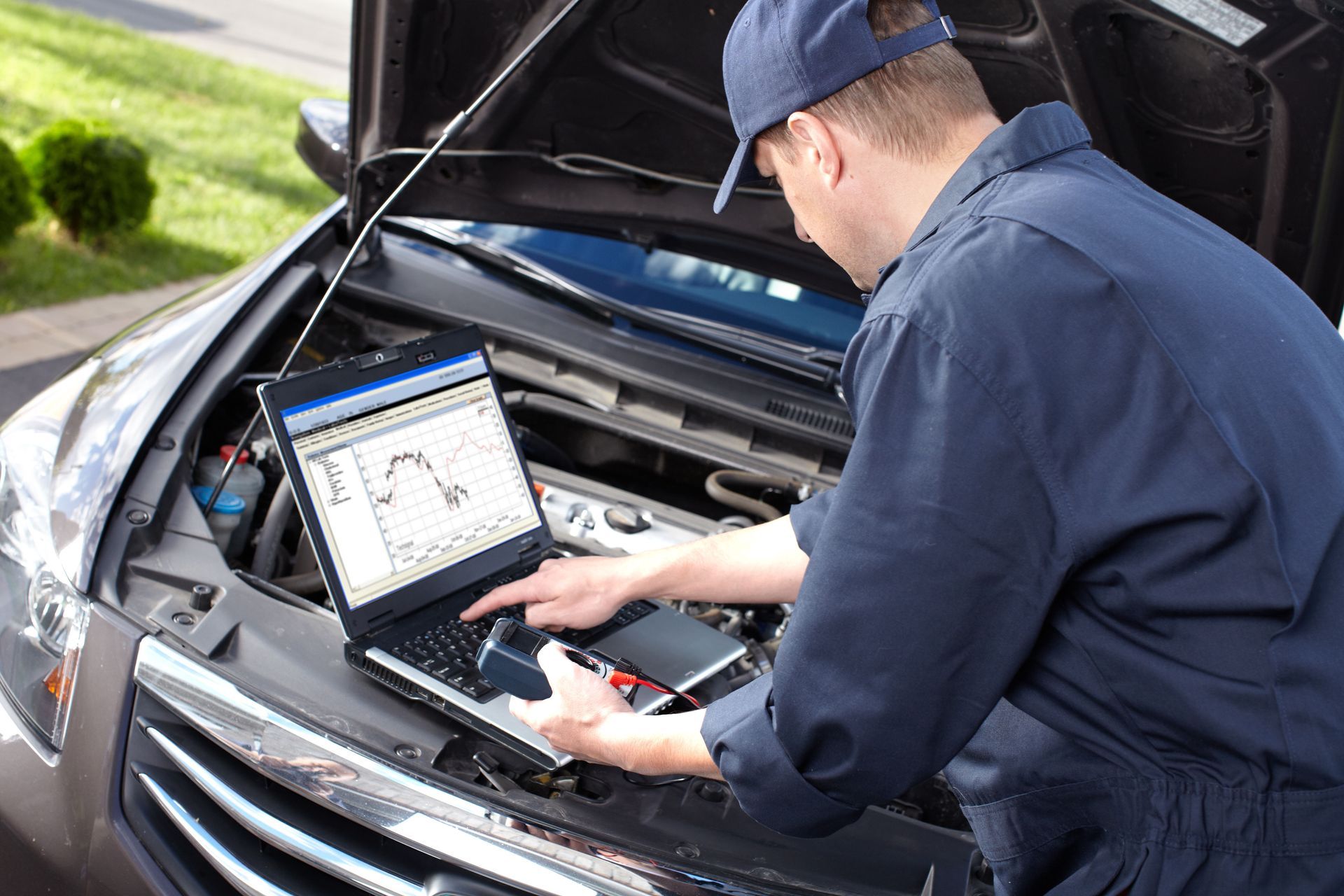
Gone are the days when diagnosing vehicle damage relied solely on visual inspection. Today, AI-powered diagnostic tools can quickly scan vehicles and identify even hidden structural damage. Advanced sensors and cameras capture detailed images of impacted areas, feeding data into machine learning algorithms that suggest the most effective repair strategies. For collision repair and auto collision repair, this means technicians can develop precise repair plans faster, reducing labor costs and turnaround time while ensuring that vehicles are restored safely and accurately.
3D Imaging and Laser Scanning Technology
3D imaging and laser scanning are game-changers for auto body repair and auto body services. These technologies allow repair professionals to create accurate, three-dimensional models of a damaged vehicle. By measuring the exact dimensions of dents, frame misalignments, and other structural issues, technicians can plan repairs with unprecedented accuracy. Laser scanning also enhances auto body painting processes by mapping vehicle surfaces to ensure even coating and flawless finishes. This results in higher-quality repairs and improved customer satisfaction.
Robotics in Collision Repair
Robotics are increasingly becoming part of the auto repair workflow. Robotic arms and automated systems assist with tasks such as dent removal, welding, and precision sanding in collision repair shops. These tools not only reduce the physical strain on technicians but also improve consistency and quality in auto body repair projects. In fleet management scenarios, fleet collision repair can leverage robotics to handle repetitive repairs across multiple vehicles efficiently, minimizing downtime and maintaining high operational standards.
Augmented Reality for Technician Training
Augmented Reality (AR) is enhancing technician training and on-the-job guidance. With AR glasses or heads-up displays, technicians can overlay repair instructions directly onto the vehicle they are working on. This is particularly useful for complex auto collision repair and auto body services where precision is critical. AR enables faster learning, reduces mistakes, and allows less experienced staff to perform advanced repairs under guided supervision. As a result, repair shops can maintain high-quality standards while expanding their workforce capabilities.
Advanced Paint Technologies in Auto Body Painting
Auto body painting has undergone significant transformation thanks to advanced paint technologies. Modern paint systems offer faster drying times, improved color matching, and superior durability. Digital color matching tools analyze vehicle paint to create perfect blends, reducing errors and the need for multiple coats. Additionally, environmentally friendly, low-VOC paints are now standard, helping shops comply with regulations while providing a high-quality finish. These innovations ensure that auto body painting is both efficient and environmentally responsible.
IoT-Connected Repair Equipment
The Internet of Things (IoT) is bringing unprecedented connectivity to auto repair equipment. IoT-enabled tools and machines can monitor performance, alert technicians to maintenance needs, and even optimize energy usage. For auto body repair and collision repair shops, this means more reliable equipment, fewer delays, and better resource management. Fleet collision repair services also benefit, as IoT connectivity allows real-time tracking of repair progress and equipment utilization across multiple vehicles and locations.
Automated Estimation and Customer Communication
Customer expectations have evolved, and advanced technology is meeting the demand for transparency and speed. Automated estimation software uses AI to assess damage and provide accurate repair cost estimates almost instantly. Customers can receive digital quotes for auto body services, auto collision repair, and auto body painting from their smartphones, streamlining the repair process. Integration with customer communication platforms ensures updates are delivered in real-time, improving satisfaction and trust in the repair experience.
Lightweight Materials and Repair Innovation
Modern vehicles increasingly use lightweight materials such as aluminum and carbon fiber to improve fuel efficiency. While beneficial for performance, these materials require specialized knowledge and tools for repair. Advanced technology in collision repair and auto body repair ensures technicians can handle these materials safely and effectively. Robotics, precision welding, and 3D modeling allow for accurate restoration of structural integrity without compromising the vehicle’s performance or safety features.
Predictive Maintenance and Damage Prevention
AI and machine learning are not only transforming repair but also preventative care. Predictive maintenance tools can analyze vehicle data to identify potential issues before they lead to costly collisions or structural damage. Auto body services and fleet collision repair providers can use this information to schedule proactive repairs, reducing downtime and preventing more severe damage. For fleet operators, this technology is particularly valuable in maintaining a safe and operational fleet year-round.
Virtual Reality Customer Experience
Virtual Reality (VR) is starting to reshape the customer experience in auto repair. Customers can visualize the repair process and final results in VR before work begins, giving them confidence in auto body repair and auto body painting decisions. This immersive experience helps customers understand the value of advanced repair technologies, from collision repair to auto collision repair, and ensures transparency in what can often be a stressful process. VR is helping repair shops build stronger relationships with clients through education and engagement.
Enhanced Safety and Compliance Through Technology
Safety is paramount in auto repair. Advanced technology helps shops comply with industry regulations while protecting both technicians and vehicles. Collision repair and auto body services benefit from precision tools, AI-guided inspections, and robotics that reduce human error. Auto body painting systems with automated ventilation and spray control minimize exposure to harmful chemicals. Overall, these innovations ensure that repairs are not only high-quality but also safe and environmentally responsible.
Electric and Hybrid Vehicle Repairs
The rise of electric and hybrid vehicles has introduced new challenges for auto body repair and collision repair shops. High-voltage systems, battery packs, and specialized components require advanced diagnostic tools and safety protocols. Technicians must be trained to handle these vehicles safely while maintaining repair quality. Advanced technology, such as AI-assisted diagnostics and robotic systems, ensures that auto collision repair and auto body services can accommodate the growing number of electric vehicles without compromising efficiency or safety.
Data-Driven Quality Control
Data analytics is transforming how auto repair shops ensure consistent quality. Sensors, cameras, and software collect performance and repair data from auto body repair, auto body painting, and collision repair projects. This information allows shops to monitor technician performance, detect deviations, and implement corrective measures quickly. For fleet collision repair, data-driven insights help standardize repairs across multiple vehicles, improving consistency, customer satisfaction, and long-term trust in the services provided. This approach ensures every repair meets the highest standards of precision and reliability.
According to The Business Research Company, the auto collision repair market was valued at $208.85 billion in 2024 and increased to $216.41 billion in 2025. Part of this market growth involves the technological revolution. From AI diagnostics and 3D imaging to robotics, IoT connectivity, and VR customer experiences, advanced technology is enhancing every aspect of auto body repair. These innovations improve efficiency, accuracy, safety, and customer satisfaction, shaping a future where repair shops are smarter, faster, and more reliable than ever before. Our team at Speed's Auto Body has served the Portland, OR community since 1958. Our family-owned and minority-operated business is here for all your auto body repair needs. Contact us today for a free estimate!