July 7, 2026
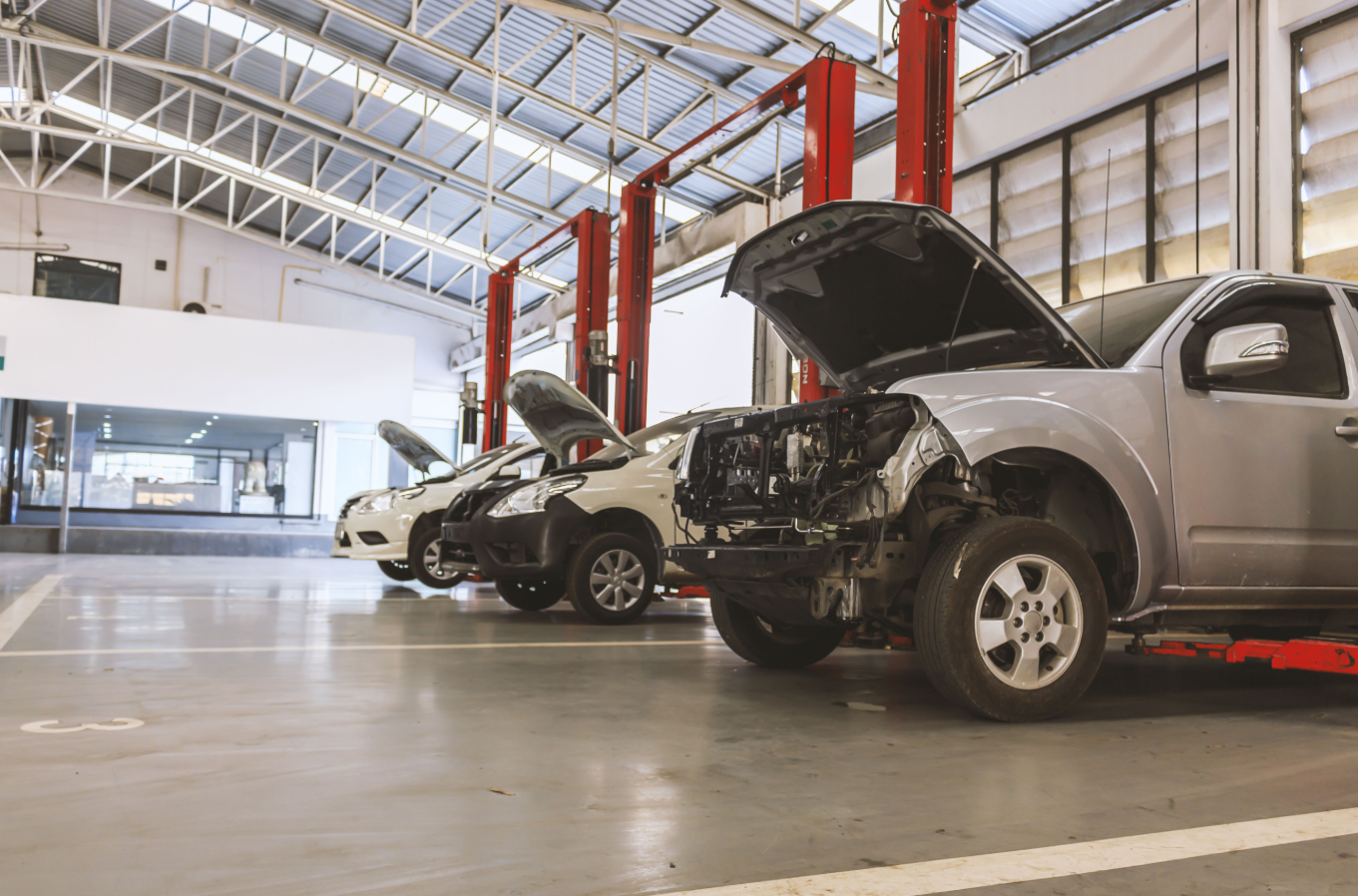
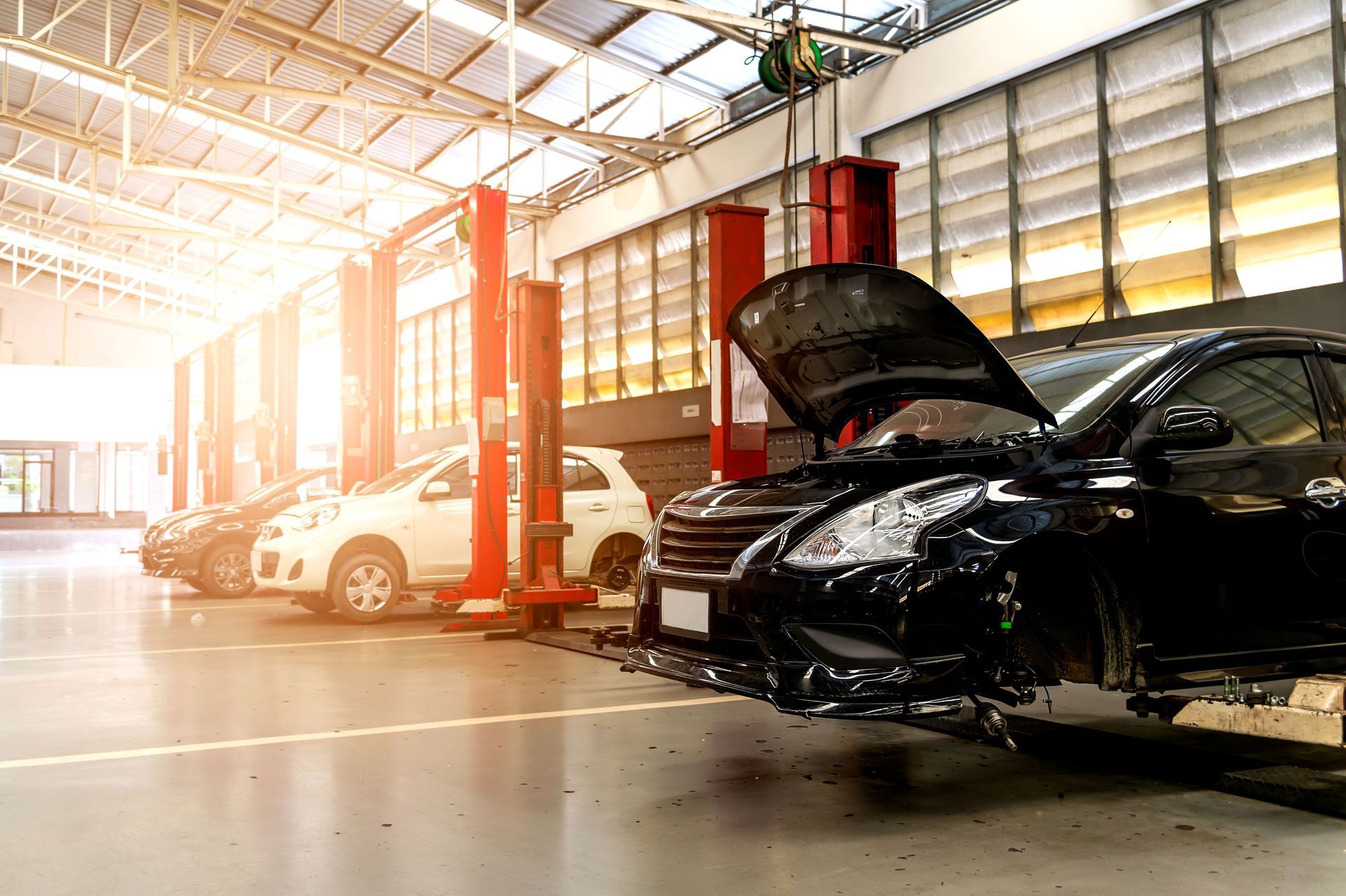
After an accident, vehicle damage is not always limited to dents, scratches, or visible body damage. In many cases, the underlying structure of the vehicle may also be affected. Even a relatively minor collision can cause shifts in the frame that impact safety, handling, and long-term performance. Professional frame alignment services help restore a vehicle’s structural integrity and ensure it continues to perform as intended after repairs.
Frame damage is often more serious than it appears because structural issues can affect nearly every major system in a vehicle. Steering, suspension, braking, and tire wear can all be influenced by frame alignment. This is one reason auto collision repair often involves detailed inspections beyond visible exterior damage.
The demand for dependable repair services continues to grow. According to imarcgroup.com, the global automotive repair and service market is expected to reach $1,052.50 billion by 2033, growing at a compound annual growth rate of 4.18% during 2025 to 2033. This growth reflects increasing demand for reliable repair services that support long-term vehicle safety and performance.
Understanding Vehicle Frame Alignment
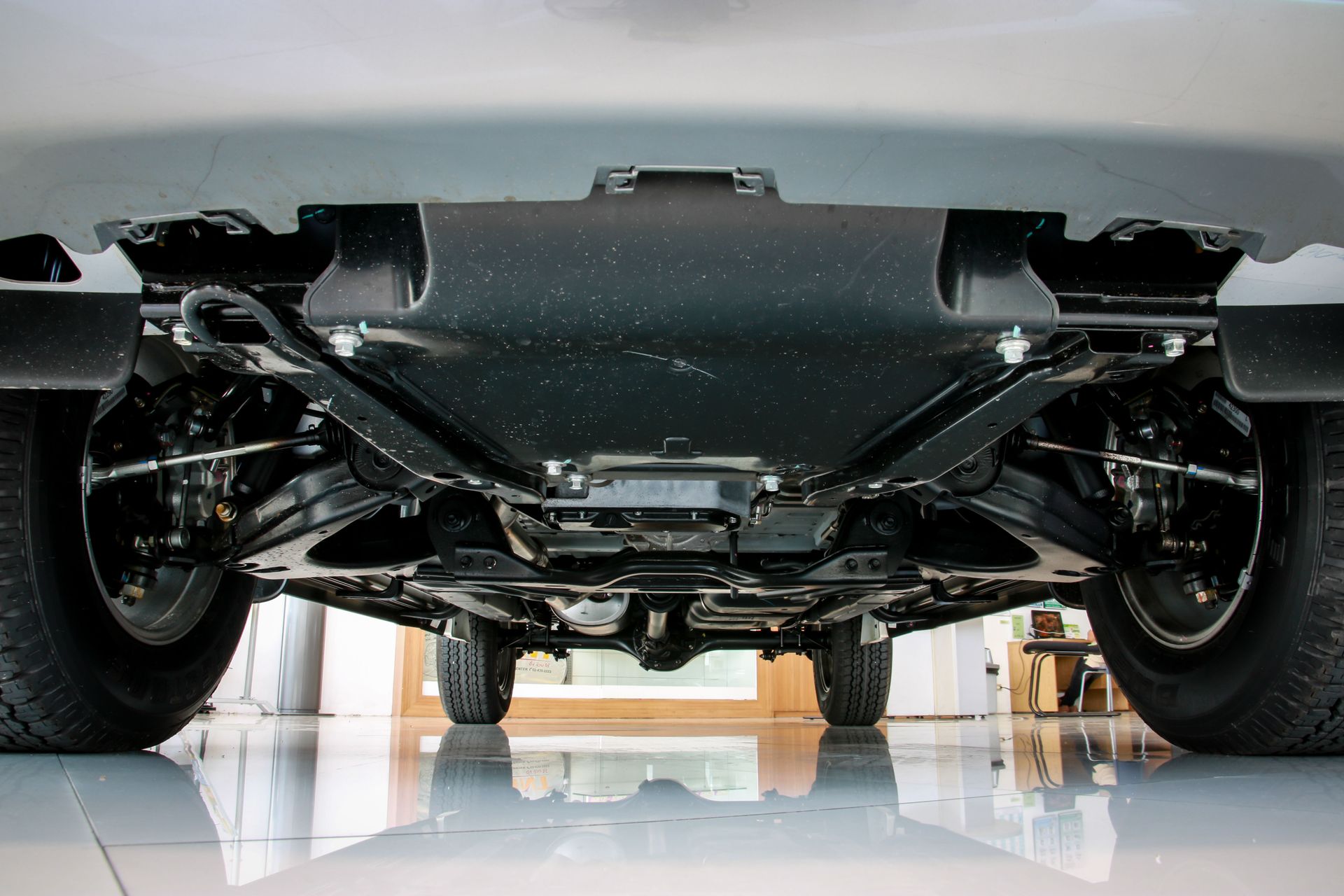
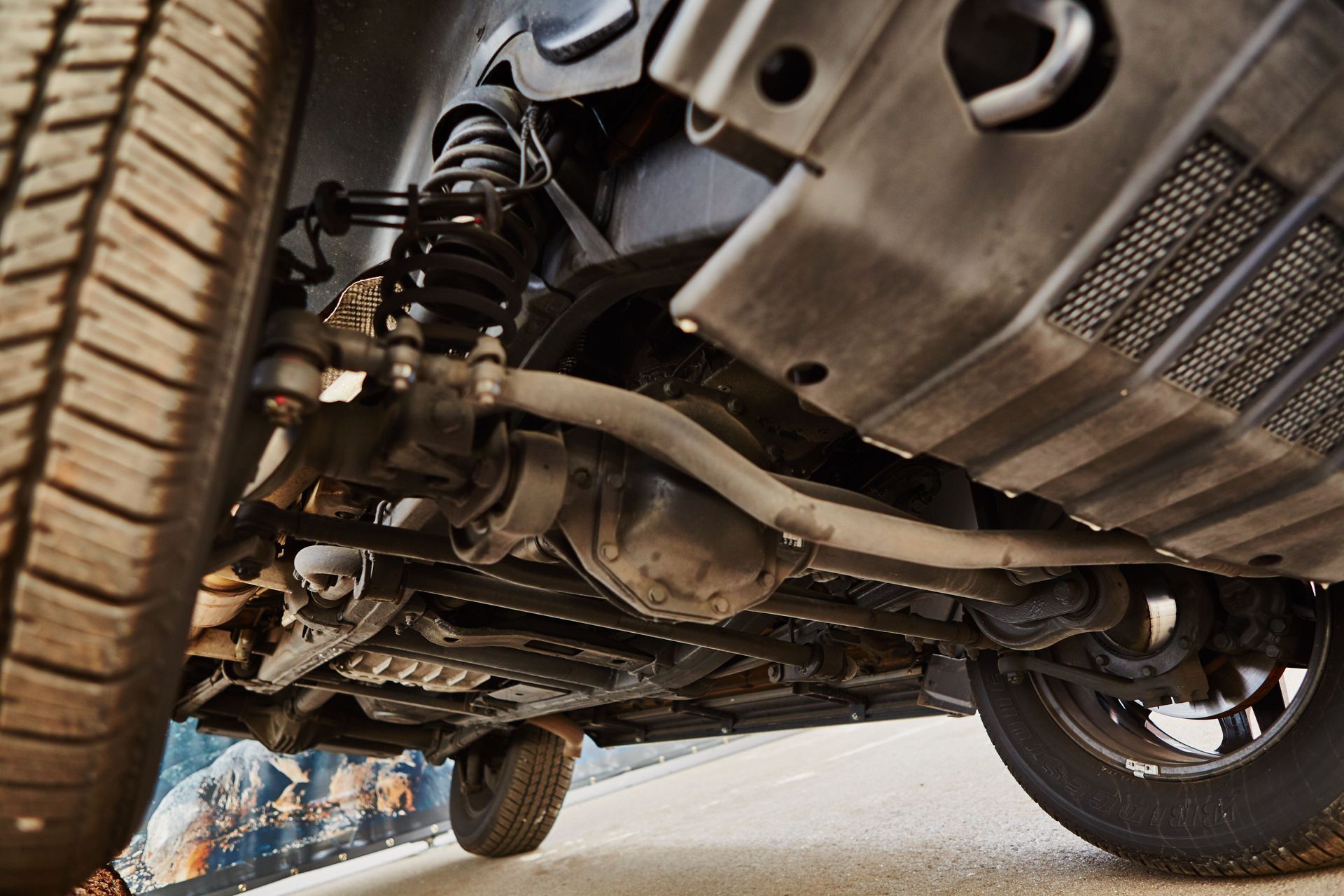
A vehicle’s frame acts as the structural foundation that supports the body, drivetrain, and safety systems. It is designed to provide stability, maintain balance, and absorb impact forces during collisions. Whether a vehicle uses a ladder frame, unibody design, or space frame construction, the frame plays a critical role in overall safety.
Frame alignment refers to restoring the structure to manufacturer specifications after damage occurs. During this process, technicians use advanced measuring systems and specialized equipment to identify bends, twists, or shifts in the frame. Even small deviations can affect how a vehicle drives and responds.
Proper alignment helps maintain consistent weight distribution, structural balance, and overall vehicle performance after an accident. Even minor shifts in the frame can affect how the vehicle handles, responds, and supports essential safety systems.
Restoring proper alignment helps ensure the vehicle operates as intended and reduces the risk of additional wear on related components. In many auto collision repair cases, structural alignment is a necessary step before cosmetic repairs begin, helping create a more complete and accurate repair process that supports both safety and long-term reliability.
Identifying Signs of Frame Damage
Frame damage is not always obvious immediately after an accident. While severe collisions may result in visible structural problems, smaller accidents can still create alignment issues that gradually become noticeable.
A common sign of frame damage is pulling to one side while driving. A vehicle may also feel unstable or less responsive during turns. Steering wheel vibrations, uneven tire wear, or unusual suspension movement can also indicate structural misalignment.
In some situations, physical warning signs may appear around the body of the vehicle. Doors may not close properly, windows may seem misaligned, or gaps between body panels may become uneven. These symptoms often suggest that the frame has shifted.
Prompt inspection is important because untreated frame damage can worsen over time. Early detection allows technicians to address structural issues before they contribute to additional mechanical wear.
Restoring Structural Integrity
Structural integrity plays a major role in how safely a vehicle performs during everyday driving and in future accidents. Modern vehicles are engineered with carefully designed crumple zones and impact pathways that help distribute collision forces in a controlled way.
When a frame becomes bent or twisted, those safety features may not function as intended. The vehicle may no longer absorb impact energy efficiently, which can reduce occupant protection during future collisions.
Professional frame alignment helps restore the original structural geometry of the vehicle. Using precise measurements and controlled adjustments, technicians can correct shifts and reposition the frame to manufacturer standards.
This process is an essential part of auto collision repair because restoring appearance alone does not address structural safety concerns. Correcting frame damage helps support proper crash protection and vehicle stability.
Improving Vehicle Handling
Frame alignment directly affects how a vehicle handles on the road. When structural components are out of position, steering response and overall control can become unpredictable.
Drivers may notice the vehicle drifting, requiring frequent steering corrections, or feeling unstable during turns. These handling changes can make daily driving more difficult and increase fatigue, especially on longer trips.
Misalignment can also affect braking performance. Uneven structural positioning may alter weight distribution, reducing braking consistency and responsiveness. This can create safety concerns in sudden stopping situations.
Professional alignment services help restore predictable handling and smooth operation. Once the frame is corrected, steering accuracy, stability, and responsiveness often improve significantly.
Reducing Long-Term Wear
Frame misalignment can place ongoing stress on several major vehicle systems. Even if the vehicle remains drivable, structural damage may create strain that gradually affects performance and reliability.
Tires often experience uneven wear because they no longer maintain proper contact with the road.
Suspension systems may compensate for misalignment, increasing wear on shocks, struts, and related components. Steering systems may also experience unnecessary strain.
Over time, these issues can lead to higher maintenance costs and additional repairs. Addressing frame problems early helps reduce the risk of widespread wear across multiple systems.
For this reason, structural inspections are an important part of auto collision repair, even when exterior damage appears limited. Early corrections often help prevent more expensive problems later.
Choosing Professional Repair Services
Selecting the right repair facility matters when structural damage is involved. Frame alignment requires specialized tools, advanced diagnostics, and experienced technicians who understand manufacturer specifications.
Professional repair facilities often use computerized measuring systems, laser-guided equipment, and hydraulic tools to evaluate and correct alignment issues with precision. These technologies help technicians identify even minor structural shifts.
Certifications and technician training also play an important role. Shops with experienced professionals are better equipped to assess damage accurately and perform repairs according to industry standards.
Customer reviews, service guarantees, and repair transparency can also help when evaluating providers. Choosing a qualified repair team helps ensure structural repairs are completed safely and accurately.
Reliable auto collision repair involves more than repairing visible damage. Structural restoration remains a critical part of returning a vehicle to safe operating condition.
Supporting Long-Term Vehicle Performance
Proper frame alignment supports more than immediate safety. It also contributes to long-term vehicle performance, efficiency, and reliability.
A correctly aligned vehicle typically delivers smoother handling, more consistent tire wear, and improved driving comfort. It can also help preserve fuel efficiency by reducing unnecessary rolling resistance caused by misalignment.
Structural repairs can also influence resale value. Vehicles with documented professional repairs often provide greater buyer confidence because they demonstrate that accident-related damage was properly addressed.
Routine inspections after repairs can help ensure the vehicle continues to perform as expected. Monitoring alignment and related systems over time helps maintain safety and long-term reliability.
Protecting Your Vehicle After an Accident
Frame alignment remains one of the most important services following a collision. Even when visible damage appears manageable, hidden structural issues can affect safety, handling, and overall performance.
Professional repairs help restore the vehicle’s structural integrity, improve drivability, and reduce long-term wear on essential systems. Addressing these concerns promptly supports safer operation and helps protect the value of the vehicle over time.
When auto collision repair is completed thoroughly, both cosmetic and structural repairs work together to restore the vehicle properly. For drivers seeking dependable collision repair and frame alignment services, Speed’s Auto Body provides professional support focused on restoring vehicles to safe operating condition.