April 2, 2026
Proper vehicle frame alignment is a crucial aspect of automotive maintenance that ensures both safety and performance. When a vehicle's frame alignment is off, it can lead to numerous issues ranging from minor inconveniences to major safety hazards. Ensuring a vehicle is well-aligned guarantees optimal driving dynamics and safety for all road users, making professional services at reputable auto body shops essential.
Regular alignment checks should be part of a comprehensive vehicle maintenance plan. According to imarcgroup.com, the global automotive repair and service market size reached $714.51 billion in 2024, illustrating the importance and prevalence of maintenance services like alignment. Proper vehicle frame alignment contributes significantly to this industry, emphasizing its vital role in sustaining automotive functionality.
Understanding Vehicle Frame Alignment
Definition and Basics
Vehicle frame alignment refers to the adjustment of the angles of the wheels to ensure that they meet the manufacturer's specifications. The main goal is to ensure the vehicle travels straight and true and handles well. Proper alignment makes sure that tires contact the road at the right angle, maximizing traction and promoting uniform tire wear.
Misalignments can be caused by daily driving, hitting potholes, or after an accident. Professional alignment services can adjust the angles and guarantee that the vehicle maintains its optimal state.
The basic elements of alignment include camber, caster, and toe. Camber refers to the tilt of the wheel inwards or outwards, caster affects the vehicle's steering and stability, and toe describes the angle of the tires as viewed from above. All these angles must be appropriately aligned for effective vehicle performance.
Types of Frame Alignment
There are generally three types of frame alignments: front-end alignment, thrust alignment, and four-wheel alignment. Front-end alignments involve only the front wheels and are often performed when the rear axle remains untouched during service. Thrust alignment incorporates both front alignment and ensures the rear wheels are parallel to the front.
Four-wheel alignments are the most comprehensive, involving adjustments to both front and rear wheels, ensuring all four wheels are squared with one another. This is essential for modern vehicles, especially those equipped with all-wheel-drive systems. Each type of alignment is suited to specific vehicle architectures and driving needs.
Selecting the right type of alignment is best handled by experienced technicians at certified auto body shops, who can account for vehicle make and model.
Components Involved
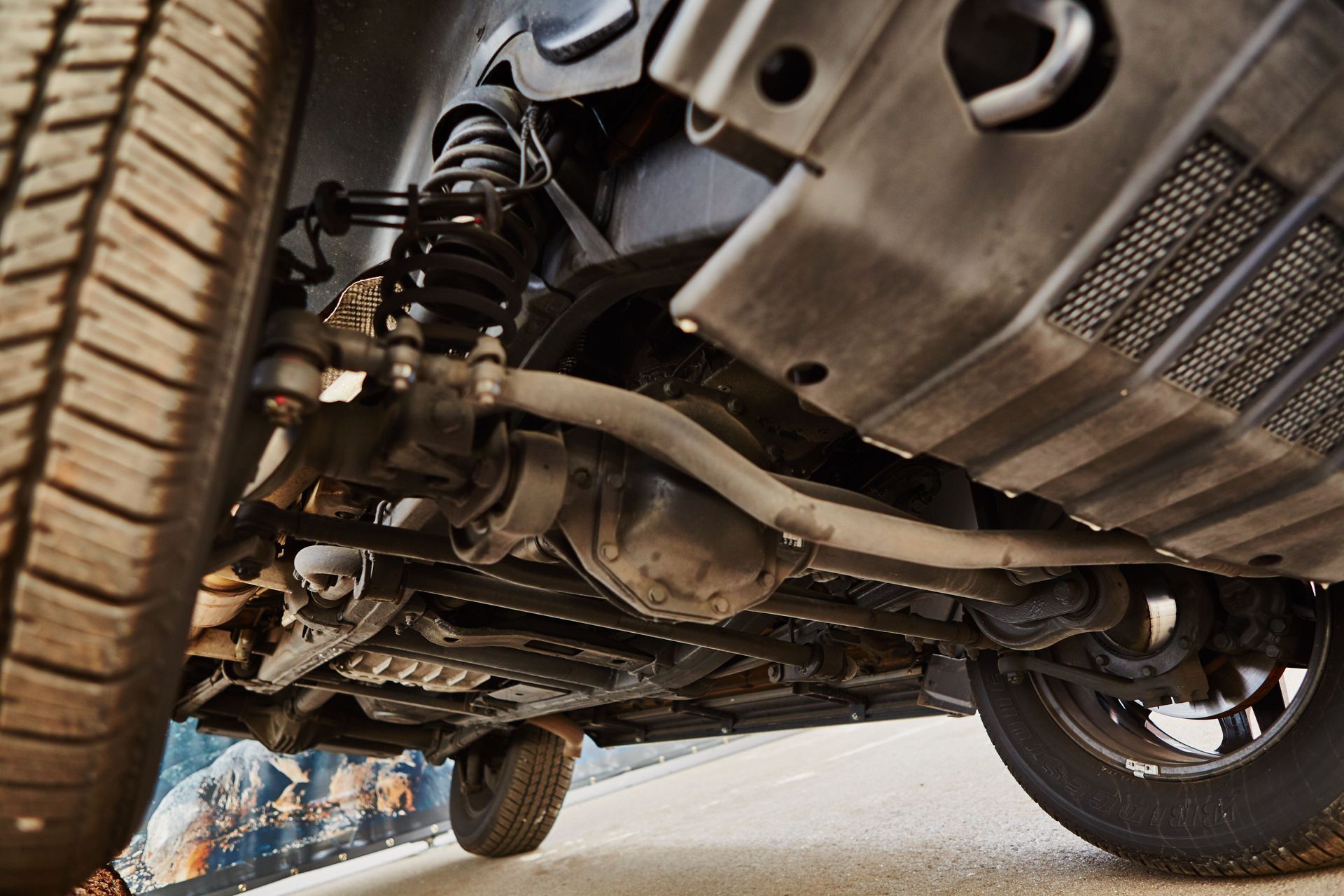
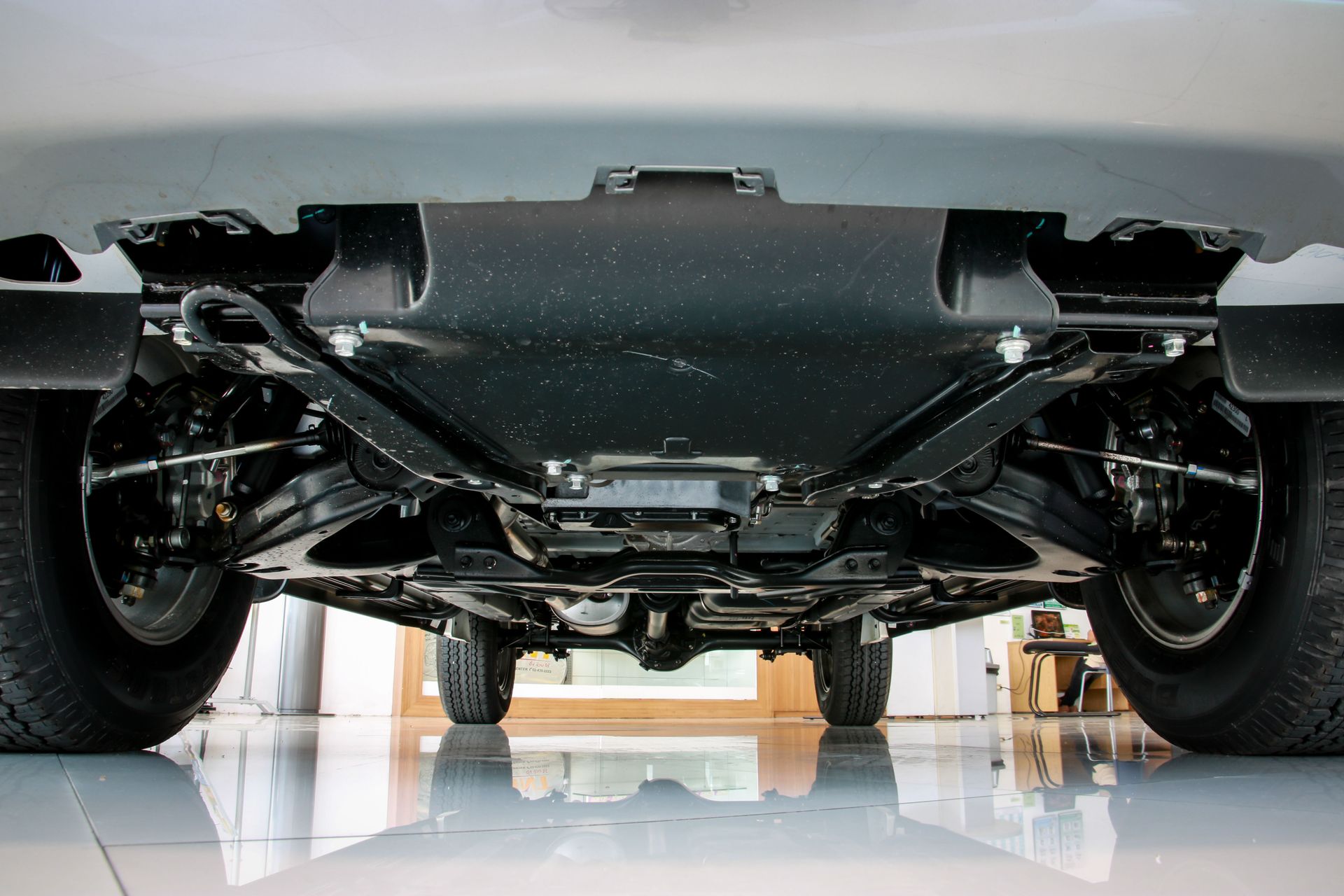
Several components contribute to frame alignment, including control arms, tie rods, ball joints, and struts. Control arms connect the wheel assemblies to the vehicle frame and help absorb shock. Tie rods serve as a pivotal part in steering systems, linking the steering gear to the wheel assemblies.
Ball joints allow smooth movement in all directions and play a fundamental role in connecting the control arms to the wheels. Struts provide critical support and act as a structural component of the suspension system. Each of these components must function properly and cohesively for the entire alignment system to work.
Regular inspections and adjustments of these components should be performed at auto body shops equipped with advanced tools and trained staff.
The Safety Implications of Misalignment
Increased Risk of Accidents
Vehicles with misaligned frames pose a significant risk on the road. A common consequence of misalignment is uneven tire wear, which can affect tire traction and increase the possibility of skidding, especially in adverse weather conditions. The risk of losing control of the vehicle is heightened, which can lead to accidents.
Poor alignment can also cause the vehicle to drift, requiring the driver to constantly correct the steering direction. This can result in driver fatigue and reduced reaction time. In emergency situations, a misaligned vehicle might not respond as expected, exacerbating the risk of collisions.
To minimize these risks, vehicle owners are encouraged to rely on auto body shops for thorough frame inspections and corrective alignment.
Impact on Brake Performance
Misalignment not only affects steering but also impacts the braking system. Uneven wear on tires caused by misalignment reduces their effective contact area with the road, diminishing braking efficiency. Brakes must work harder to compensate, which can lead to faster wear and reduced lifespan.
In an emergency stop, a vehicle with poor alignment may not stop in the expected distance, increasing the potential for accidents. Misalignment can also cause the braking force to be unevenly distributed, causing the vehicle to pull to one side when the brakes are applied.
Effect on Steering Control
Steering control is critically affected when a vehicle is misaligned. Drivers often find themselves exerting more effort to keep a misaligned vehicle going straight. Constantly correcting the steering can be tiring, especially during long drives, and can distract drivers from other hazards.
Misalignment may cause a condition known as steering wheel vibration, where the wheel shakes during driving. This can be unsettling and may lead to difficulty in maintaining direction. Vibration indicates that the alignment should be checked immediately.
Effects on Vehicle Performance
Influence on Fuel Efficiency
Proper frame alignment significantly contributes to a vehicle's fuel efficiency. Misalignment causes the vehicle to drag, which forces the engine to work harder to maintain speed. Increased engine load leads to higher fuel consumption, reducing the vehicle’s overall efficiency.
Alignment ensures that the wheels roll freely without excessive drag, allowing the engine to operate at optimal levels. When the alignment is corrected, drivers often notice an immediate improvement in their vehicle's fuel consumption.
Enhanced Vehicle Handling
Handling and drivability are intrinsically linked to vehicle alignment. Proper alignment ensures that the vehicle responds appropriately to steering inputs. Drivers experience improved cornering and smoother navigation through curves at highway speeds.
Professional alignment services provided by trusted auto body shops ensure handling improvements are accurate and long-lasting.
Optimized Tire Wear and Lifespan
Alignment directly influences the wear and lifespan of a vehicle's tires. Improper alignment results in uneven tire wear, where some sections of the tire tread wear down faster than others. This affects traction and may require more frequent tire replacements.
Tires are among the most expensive maintenance components in a vehicle. By ensuring proper alignment, tire damage is minimized, and their longevity is maximized. This supports consistent and safe driving.
Diagnosing Frame Alignment Issues
Common Symptoms to Look For
Vehicle owners should remain vigilant of alignment-related symptoms. Common indicators include uneven tire wear, steering wheel vibration, and the vehicle pulling to one side. If a vehicle favors a slightly angled path, this suggests a misalignment issue.
A crooked steering wheel when driving straight also signals alignment problems. Another symptom is poor handling, where the vehicle feels loose or unstable during operation. Recognizing these signs early can prevent further deterioration and more expensive repairs.
Use of Alignment Tools
Accurate diagnosis of alignment issues requires specialized tools. Alignment machines use sensors and cameras to measure angles with high degrees of accuracy. These machines provide data that guide service professionals in making precise adjustments.
Advanced tools like laser systems and computerized wheel aligners have revolutionized the way vehicles are aligned. They enable service technicians to customize settings to meet the manufacturer's specifications and optimize performance. This technological edge enhances the precision and reliability of alignment services.
Proper vehicle frame alignment is a foundational element of automotive safety, performance, and efficiency. Misalignment can compromise steering control, tire wear, braking performance, and overall ride comfort, creating risks for both the driver and passengers. Regular professional inspections and alignment adjustments help detect hidden frame or suspension issues before they escalate into costly repairs or safety hazards.
Modern alignment technology, including laser-guided and computerized systems, ensures precise adjustments that adhere to manufacturer specifications. By relying on trained technicians and advanced diagnostic tools at reputable auto body shops, vehicle owners can maintain optimal handling, improve fuel efficiency, and extend the lifespan of tires and suspension components. Investing in regular professional alignment through certified auto body shops safeguards both vehicle performance and overall safety. Schedule your frame alignment or repair service today at Speed's Auto Body!